Can I Move House and Take My Existing Mortgage With Me?
Yes, many mortgages are portable, which means you may be able to take your existing mortgage deal with you when you move home. However, porting a mortgage isn’t automatic. You’ll normally need to make a new mortgage application and meet your lender’s current affordability and lending criteria.
If your new home costs more than your existing property, you may also need additional borrowing to fund the move.
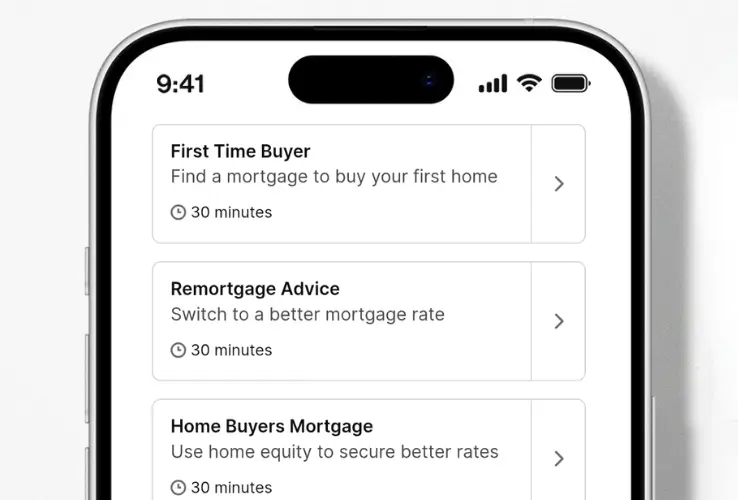
Find a mortgage.
Compare your options and speak to a mortgage adviser today. Appointments available within the hour, 7 days a week.
What does porting a mortgage mean?
Porting means transferring your existing mortgage product — such as your current fixed interest rate — from your existing property to your new home.
You’re not literally moving the mortgage from one property to another. Your existing mortgage is normally repaid when you sell your home and a new mortgage is arranged against the property you’re buying.
Your lender then allows you to retain your existing mortgage deal, subject to its terms and approval of the new application.
Do I have to pass another affordability check?
Usually, yes.
Even if you’ve made every payment on your existing mortgage, your lender will normally reassess your circumstances when you apply to move home.
This can include looking at your income, regular commitments, credit history and the property you’re buying.
Your circumstances — and the lender’s criteria — may have changed since you originally took out your mortgage.
What if I need to borrow more money for my next home?
If you’re moving to a more expensive property, you may need a larger mortgage.
Your existing lender may allow you to port your current mortgage and borrow the additional amount on another mortgage product.
This can mean having two parts of your mortgage on different interest rates with different end dates.
It’s worth comparing the overall cost with taking out a completely new mortgage.
Will I pay an early repayment charge if I move house?
If you’re still within a fixed or discounted mortgage period, your existing mortgage may have an Early Repayment Charge (ERC).
Porting your mortgage may allow you to avoid some or all of that charge, depending on your lender’s terms and how the move is structured.
It’s important to check your existing mortgage agreement before deciding what to do.
Is it better to port my mortgage or get a new one?
That depends on your existing mortgage, the interest rate you’re paying, any early repayment charges and the mortgage deals currently available.
Keeping an attractive existing rate can sometimes make porting appealing.
However, if you need additional borrowing or your circumstances have changed, another lender may offer an option that’s more suitable overall.
Comparing both options can help you make an informed decision.
How much can I borrow when moving home?
The amount you can borrow will depend on your income, financial commitments, deposit or equity from your existing property and the lender’s affordability assessment.
If your current property has increased in value or you’ve repaid a significant part of your mortgage, the equity you’ve built up can potentially form part of the deposit for your next home.
Should I speak to a mortgage adviser before putting my home on the market?
It can be useful to understand your mortgage position before committing to your next property.
A mortgage adviser can look at your existing mortgage, equity, potential early repayment charges and how much you may be able to borrow for your next home.
They can also compare porting your existing mortgage with arranging a new mortgage from another lender.
At GHL Direct, we compare thousands of mortgage deals from more than 50 UK lenders and can help you understand your options when moving home.
Planning your next move? Speak to a mortgage adviser and find out what mortgage options may be available for your next home.
Compare your options and speak
to a mortgage adviser today.
YOUR HOME OR PROPERTY MAY BE REPOSSESSED IF YOU DO NOT KEEP UP REPAYMENTS ON YOUR MORTGAGE.