Is Now a Good Time to Buy a House in the UK?

Now could be a good time to buy a house if you’re financially ready, have a suitable deposit and can comfortably afford the mortgage repayments. Although mortgage rates and house prices influence the decision, your personal circumstances are often more important than trying to predict the perfect time to buy.
Waiting for house prices or mortgage rates to fall isn’t guaranteed to save you money, particularly if you’re paying rent or property prices rise while you’re waiting.
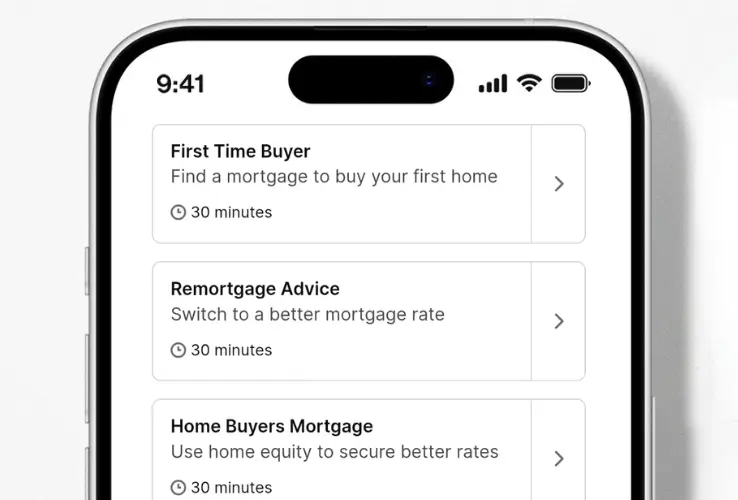
Find a mortgage.
Compare your options and speak to a mortgage adviser today. Appointments available within the hour, 7 days a week.
Should I wait for house prices to fall before buying?
Not necessarily. House prices can rise or fall depending on the local property market, demand and wider economic conditions. Waiting for a price reduction might save you money, but there’s no guarantee prices will fall in the area where you want to buy.
If you’ve found a suitable property, can afford the repayments and plan to stay there for several years, buying sooner may be worth considering.
Is it better to wait for mortgage interest rates to fall?
Lower mortgage rates can reduce monthly repayments, but predicting when rates will fall is difficult. If rates fall, more buyers may enter the market, potentially increasing competition for properties. Some buyers prefer to purchase when they’re financially ready rather than wait for a particular interest rate.
It’s also worth remembering that mortgage rates can change when your initial deal ends, so affordability should account for the possibility of higher repayments in the future.
Is buying a house better than renting?
That depends on your circumstances. Buying a property allows you to build equity as you repay your mortgage, although property values can also fall. Renting can offer greater flexibility, particularly if you expect to move home or change jobs in the near future.
Homeowners also need to budget for maintenance, repairs, buildings insurance and other ownership costs that renters may not have to pay directly.
How much deposit should I save before buying a house?
Many buyers purchase with a deposit of 5% or 10%, although larger deposits can provide access to a wider range of mortgage products and potentially better interest rates.
For example, a 5% deposit on a £250,000 property would be £12,500, while a 10% deposit would be £25,000. Some eligible buyers may also have access to mortgages requiring little or no traditional cash deposit.
The amount you need will depend on the property, lender requirements and your financial circumstances.
What if house prices fall after I buy?
Property prices can fall as well as rise. If your property loses value, you could have less equity than expected. In some circumstances, you could fall into negative equity, where your outstanding mortgage is greater than the property’s value.
This can make moving or remortgaging more difficult. Buying a property you can comfortably afford and considering how long you intend to live there can help you assess this risk.
Should I buy a house now or save a bigger deposit?
Both approaches have potential advantages. Saving a larger deposit may improve your mortgage options, reduce the amount you need to borrow and lower your monthly repayments.
However, waiting also means continuing to pay rent or remaining in your current living arrangements, while house prices and mortgage rates may change. A mortgage adviser can help you compare what you could afford now with what might be possible if you saved a larger deposit.
How do I know if I’m financially ready to buy a house?
Before buying, consider whether you have:
A suitable deposit and money for buying costs
A stable enough income to support mortgage repayments
Manageable debts and regular financial commitments
Savings available for unexpected expenses
A realistic understanding of the ongoing costs of homeownership
You should also consider whether you expect to remain in the property long enough to justify the costs of buying and potentially selling it.
Should I speak to a mortgage adviser before deciding when to buy?
Yes. Understanding your mortgage options can help you make a more informed decision.
A mortgage adviser can review your income, deposit and financial commitments to establish how much you may be able to borrow and what your monthly repayments could look like.
At GHL Direct, our mortgage advisers can compare mortgage options from more than 50 UK lenders and help you understand what’s affordable for your circumstances.
Thinking about buying a house? Speak to a mortgage adviser and explore your options before making a decision.
Compare your options and speak
to a mortgage adviser today.
YOUR HOME OR PROPERTY MAY BE REPOSSESSED IF YOU DO NOT KEEP UP REPAYMENTS ON YOUR MORTGAGE.